Hive Design System
Empowering design velocity


/ Background
Within Hive Design System team for 3+ years, I built documentation, governance, workflows, and collaborative structures to boost design consistency, efficiency, and impact.
As a Senior UX Designer within Hive Design System team for over three years, my journey has been less about designing individual UI elements and more about amplifying the impact of design itself. I focused on building the foundational pillars that empower product teams, streamline workflows, and ensure a cohesive, high-quality user experience across our entire product suite.
My work spanned critical areas like documentation, governance, process refinement, and strategic collaborations, ultimately translating into tangible gains in efficiency, consistency, and product usability.
/ Challenge
Inconsistent component use, onboarding delays, and minimal research or regional support drove a needed design system evolution.
When I joined the Design System team, we had a robust set of components, but product designers often struggled with inconsistent application, onboarding new team members was time-consuming, and ad-hoc questions frequently disrupted workflows. Furthermore, critical areas like user research integration and regional support were nascent, creating friction as our product portfolio grew. We needed to transform our design system from a library of assets into a truly enabling force for our global design organization.
/ My role and contribution
Worked to make the system easy to understand and apply, ensuring consistent designer adoption.
Pillar 1: Design system enablement - Driving efficiency through clarity
I spearheaded initiatives that dramatically improved how designers interacted with and leveraged the design system.
A. Revitalizing documentation standards
The problem:
Inconsistent, often incomplete documentation led to frequent misinterpretations and repetitive questions from product teams.
My solution:
I led the overhaul of our documentation standards, focusing on clarity, comprehensiveness, and discoverability. This involved creating new templates for component usage, accessibility guidelines, prop definitions, and best practices.
Impact:
Decrease in recurring questions from product designers, freeing up the Design System team for strategic work.
A. Integrating user research for component refinement
The problem: Our component development lacked direct, iterative user feedback, leading to assumptions about usability.
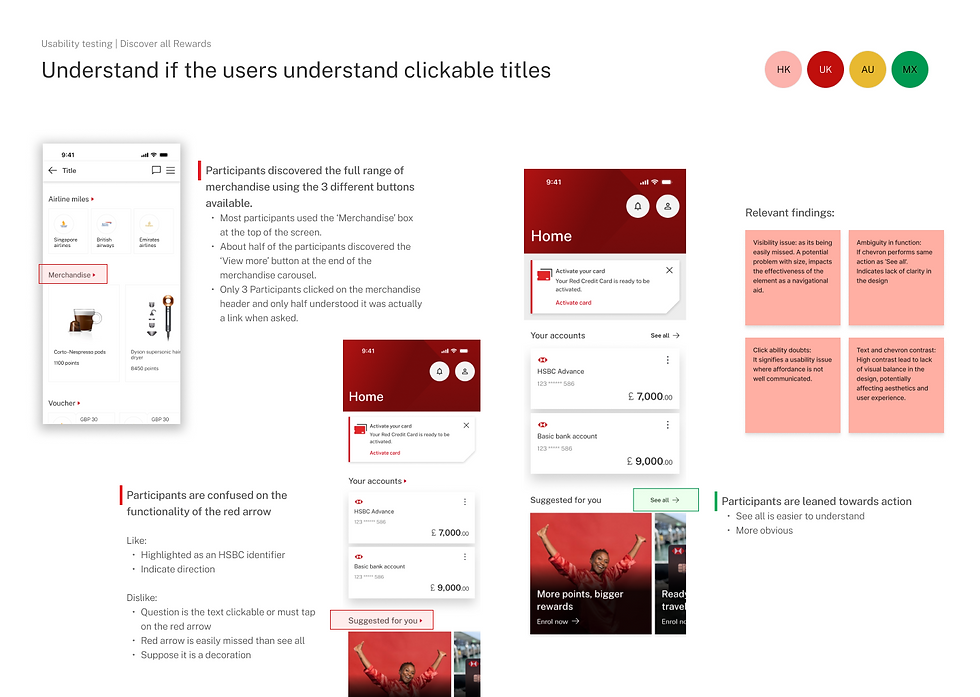
My solution: I initiated and led a collaboration with the User Research team to integrate usability testing directly into our component development lifecycle. This involved defining research protocols, identifying key components for testing, and translating insights into actionable design system refinements.
Impact: Improved component usability by an average of 15% across our flagship products, based on post-implementation user feedback and task completion rates in subsequent testing.


UX guidelines documentation in Confluence

Hive's UX guidelines in Figma
B. Proactive governance & support
The problem:
Without clear guidelines, designers sometimes deviated from system principles, leading to inconsistencies.
My solution:
I established a proactive governance model, offering regular "office hours" and direct consultation, becoming a central point of contact for complex design system queries. I acted as an internal consultant, guiding teams toward optimal system usage.
Impact:
Maintained high design quality and adherence to our system's principles across diverse product offerings.
Pillar 2: Strategic initiatives – Building essential foundations
Beyond daily enablement, I identified critical gaps in our design system's operational framework and proactively initiated solutions.

Hive research blueprint
Hive's UX guidelines in Figma
B. Championing regional design system adoption (India representative)
The problem:
Our India-based product teams faced unique challenges with design system adoption, including localization nuances, specific cultural design considerations, and a need for real-time support.
My solution:
I served as the Design System's dedicated India representative, establishing a direct support channel and offering localized guidance. I resolved region-specific design challenges, provided context for global standards, and facilitated feedback loops from Indian teams back to the core design system.
Impact:
Ensured consistent application of the design system across diverse product offerings in the region, significantly reducing design debt and fostering stronger collaboration between global and local teams.
/ Key takeaways & what I bring
My experience demonstrates that a design system's success hinges not just on its components, but on its usability by designers. I excel at:
-
Strategic problem solving: Identifying systemic gaps and proactively creating solutions that scale.
-
Empowering through documentation & governance: Transforming complex information into clear, actionable guidance.
-
Cross-functional collaboration: Building bridges with research, engineering, and product teams to embed design system principles effectively.
-
Advocacy & support: Championing the system and acting as a trusted resource for designers across the organization.